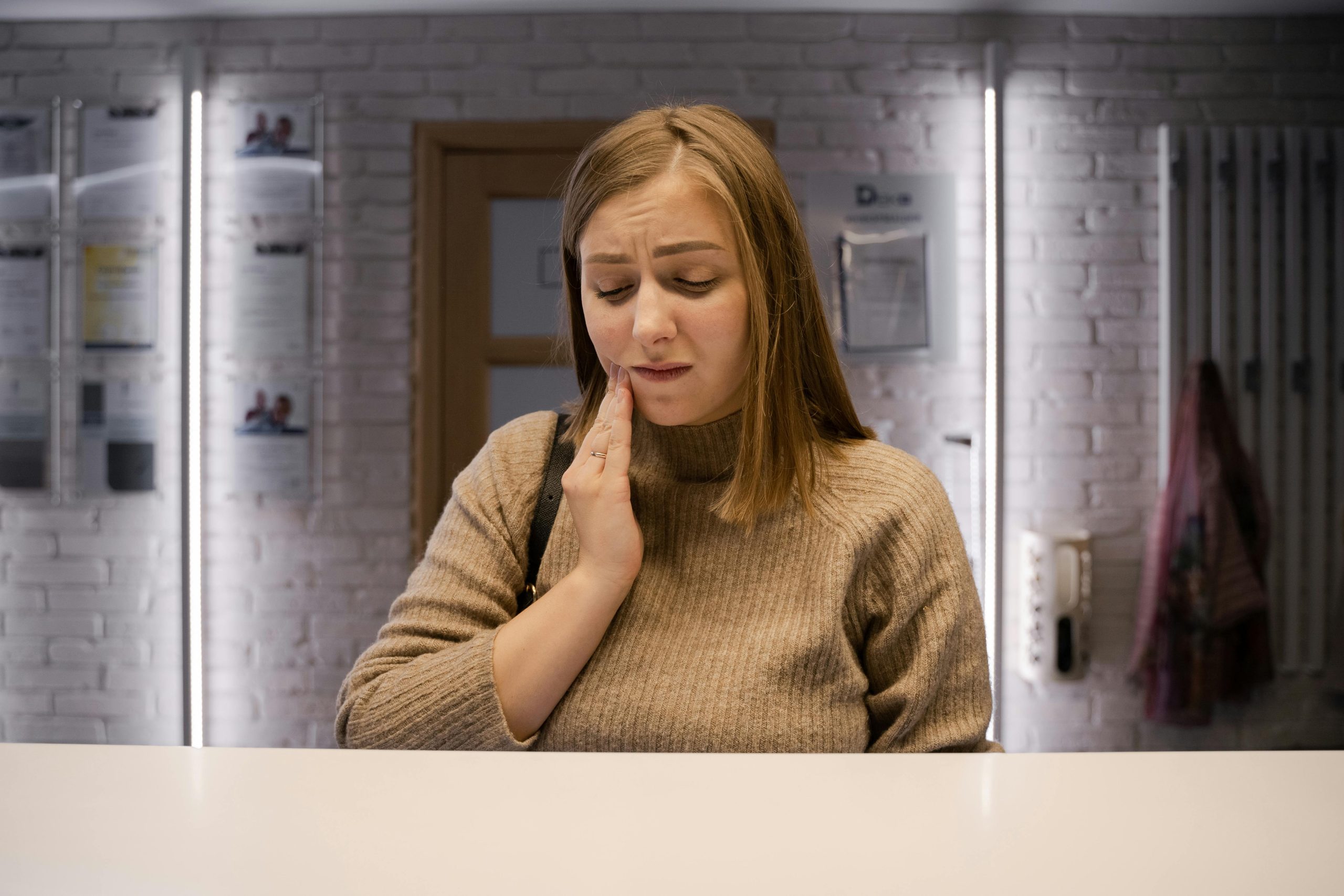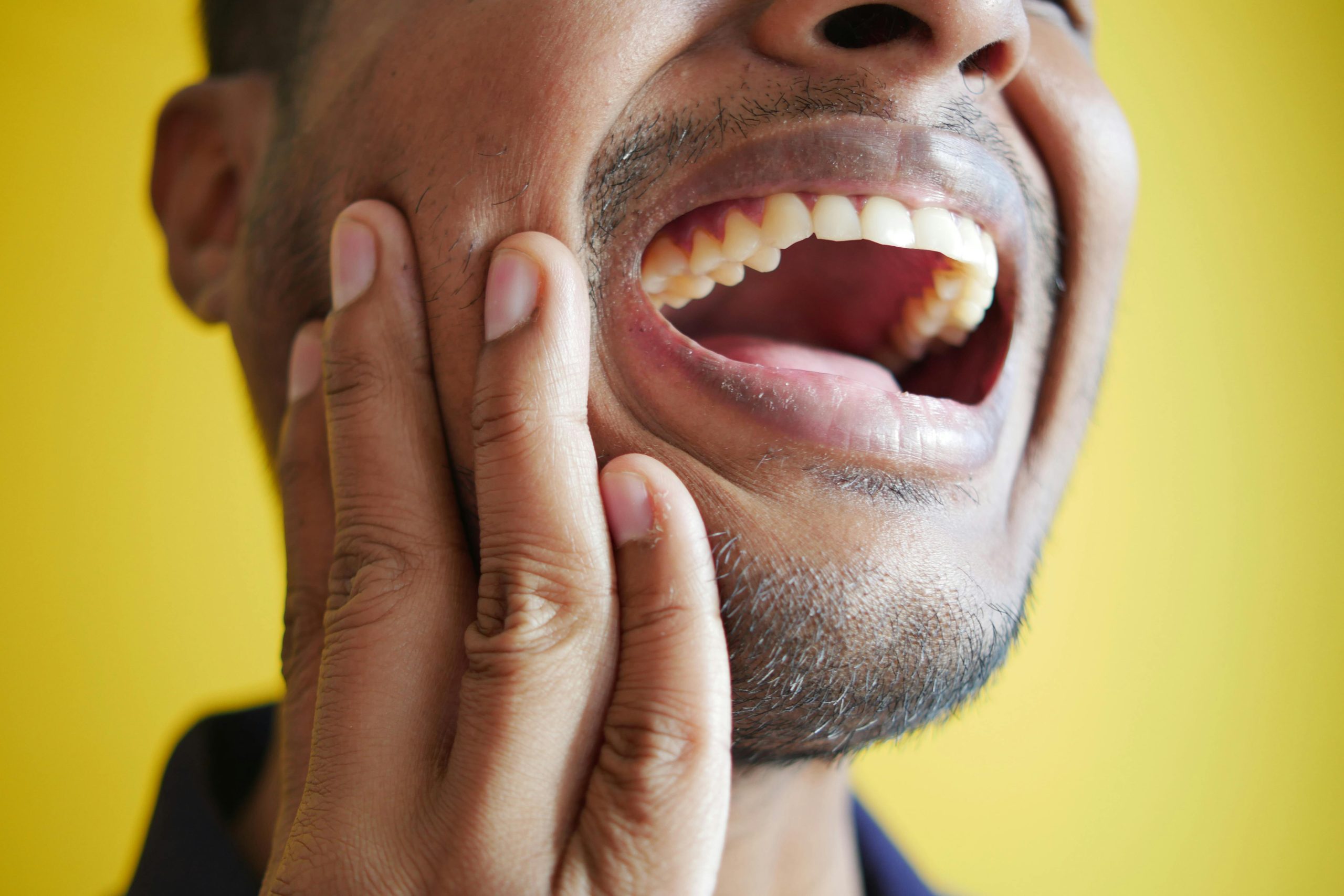
Why does a tooth that never had a cavity now throb around a high-tech replacement? Could the jaw be signaling a fixable issue or a serious complication hiding in plain sight?
Many people expect a smooth recovery after implant surgery. So, sudden dental implant pain can feel alarming. During the procedure, local anesthesia—and sometimes sedation—prevents pain. It’s normal to have dental implant discomfort for 3–5 days, with some swelling or bruising that fades within a week.
When the ache shows up later, it raises a fair question: why is my South Jersey dental implant suddenly hurting? The answer ranges from routine healing to problems like infection, bite stress, or poor osseointegration. Simple steps—rest, ice, and over-the-counter pain relievers such as acetaminophen or ibuprofen—often help in the early phase.
But tooth implant pain that worsens after a few days, lingers beyond two weeks, or comes with fever, numbness, or swelling deserves prompt care. Catching issues early protects the implant and the bone that supports it.
Key Takeaways
- Brief dental implant pain after surgery is expected; most people improve within 3–5 days.
- Sudden dental implant pain later on can signal infection, bite stress, or loose integration.
- Use ice, rest, and OTC pain relief early; avoid hard or very hot foods while healing.
- Red flags include fever, worsening swelling, persistent bleeding, numbness, or implant movement.
- Good hygiene and follow-ups lower the risk of peri-implant disease and long-term dental implant discomfort.
- South Jersey implants succeed about 90–95% of the time when care and candidacy are appropriate.
Dental implant pain versus complications: what’s normal and what’s not
Right after dental implant surgery, soreness is normal as the anesthesia wears off. Most people find relief with over-the-counter pain relievers in 3–5 days. Mild swelling or bruising can last 7–10 days, and a soft diet, rest, and ice help.
In the early days, it’s important to tell apart dental implant pain from complications. This ensures routine healing isn’t mistaken for trouble.
Red flags appear when pain gets worse after it first improves, lasts more than two weeks, or comes back months or years later. These signs point to dental implant issues, not just healing. Knowing common causes of dental implant pain helps patients act quickly and protect their restoration.
- Infection at the implant site: Gum infection may respond to chlorhexidine rinses and antibiotics; deeper bone infection can need debridement and, at times, implant removal with later bone or soft-tissue grafts. Watch for heat, swelling, foul taste, or throbbing pain.
- Incision line opening: Tissue can reopen and become sore or irritated. Short-term care may include antiseptic rinses and antibiotics. Ongoing pain signals the need for in-office evaluation.
- Loose implant or failed osseointegration: If the implant never bonds with bone, it may feel mobile or tender when tapped. Removal and delayed reattempt after healing is common.
- Gum recession around the implant: Thin or insufficient soft tissue, or placement too close to the gum edge, can expose threads, cause inflammation, and make the tooth look longer. Early soft-tissue management can stabilize the site.
- Nerve or tissue injury: Placement near the inferior alveolar nerve can cause numbness in the lower lip or chin, tingling, burning, or persistent pain. This needs prompt attention.
- Sinus complications in the upper jaw: An implant that enters the maxillary sinus can trigger sinusitis symptoms and facial pressure. Imaging helps confirm involvement.
- Peri-implantitis: Chronic inflammation with progressive bone loss. Signs can be subtle at first—bleeding on brushing, swollen gums—and may surface years later if unchecked.
- Excessive force or bruxism: Trauma or grinding can crack components or loosen parts. A night guard can reduce the load on implants and natural teeth.
- Implant micro-movements: Immediate loading in softer bone can stress the site and contribute to failure.
Why is my South Jersey dental implant suddenly hurting?
In the first few days, soreness from anesthesia wearing off is normal. Most people manage it with over-the-counter pain relievers. If you’re wondering why your South Jersey dental implant hurts suddenly, it’s about timing and pattern. Pain should get better each day. But if it gets worse or lasts more than a week, it’s a sign of a problem that needs attention.
Early pain from dental implants often comes from soft-tissue issues. An open incision line can irritate the area. A gum infection around the post can cause swelling and tenderness. If biting hurts or osseointegration is slow, it might be due to improper placement or movement.
Later on, pain could mean peri-implant disease from bacteria. Signs include bleeding when brushing, puffy gums, and bad taste. These can lead to more serious bone loss. Grinding or clenching at night can also cause problems. Gum recession can expose the implant and cause sensitivity. Sinus irritation in the upper jaw can mimic tooth pain. Rarely, metal hypersensitivity can cause stubborn inflammation.
Some factors increase the risk of dental implant issues. These include smoking, diabetes, past gum disease, low bone density, jaw radiation, certain medications, and poor oral hygiene. Immediate loading in soft bone can also lead to problems. Knowing the causes helps patients seek help sooner.
When dental implant pain happens, it’s important to see a dentist. They might use chlorhexidine rinses, antibiotics, adjust the bite, or give a night guard. In some cases, grafting or removal and reinsertion might be needed. Until you see a dentist, keep your implant clean and eat soft foods to avoid more pain.
Conclusion
Most people heal well after getting an implant. Following aftercare instructions is key. Short-term swelling, bruising, and mild pain usually go away in a week. Pain typically eases in 3–5 days.
But, if pain comes back or doesn’t go away, it’s a sign of trouble. This could mean infection, nerve issues, or other problems. Signs like swelling, fever, or bleeding need quick attention.
Seeing a dentist early can save your implant. Good habits like clean teeth and avoiding hard foods help. Wearing a mouthguard and not smoking also play a role.
So, if you’re feeling pain, don’t ignore it. See a dentist right away. With the right care, implants can last a long time and avoid complications.
Smile with Confidence at Sage Dental NJ
At Sage Dental NJ, your oral health is our priority. Whether you need routine cleanings, cosmetic dentistry, or advanced South Jersey dental care, our experienced team is here to deliver gentle, personalized treatment in a modern, welcoming environment.
Book your appointment today and experience the Sage difference!